Families in 'To Kill a Mockingbird'
In ‘To Kill a Mockingbird’, instead of familial conflicts, it displays a range of different families and how it was affected by society and its effect on the people in Maycomb County. There were five main families in ‘To Kill a Mockingbird’: Finch, Radley, Robinson, Ewell and Cunningham. The difference between this text and ‘Death of a Salesman’, it focuses on the different family structures instead of the typical family. Each one of them is different, and none conforms entirely into the mold of the quintessential American family.
‘To Kill a Mockingbird’ focuses on the Finch family, which include: Atticus, Jem, Scout and Calpurnia. This was not an average family. Firstly, since the children’s mother died when they were young, that position was left unfilled. Although Calpurnia stepped in to create a mother figure for the children, Atticus was the one who needed to fill in the holes and raise his children. He bore most of the responsibility of bringing Jem and Scout. Thus, the main difference between the Finch family and everyone else is Atticus. As seen throughout the book, Atticus was an icon and symbol for the goodness in the world. Atticus’s idea of ethics and morality has influenced and become a role model for his children. He was different from the other fathers. He was older and wiser and soon, some of Atticus’s ‘goodness’ started to affect his children as they matured throughout the text.
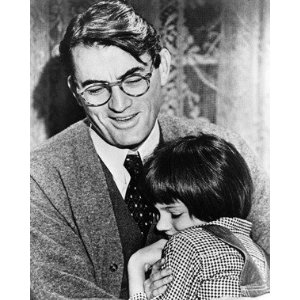 | 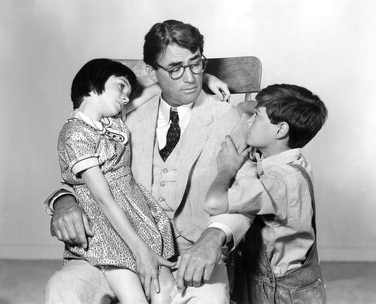 |
At the start of the novel, Scout believed in all the prejudicial rumours spreading in the town, especially the ones concerning Negroes, Boo Radley and Mr Raymond. But as the book progressed, an obvious growth was seen in Scout as she matured; she no longer judged as quickly and started to gain some of her father’s traits. “Naw, Scout, it’s something you wouldn’t understand. Atticus is real old, but I wouldn’t care if he couldn’t do anything—I wouldn’t care if he couldn’t do a blessed thing… Atticus is a gentleman, just like me!” Jem had said. Yes, Atticus was different from the other men, but he was a gentleman. It did take a while, but by the end of the text, he was a man whose children were extremely proud of.
The Radley family were talked about; but they were never seen. In that family, we can see the base of a dysfunctional family: Boo was the different one: the one who was oppressed by his family, especially his abusive father, and afterwards, his brother. Their family revealed the presence of prejudice in the society. Just because they ‘liked to stay inside’, they were talked about, and judged. Due to their own choice of actions and habits, stories and rumours were created, which encouraged the gossip. Boo was never seen, but he was the scapegoat for any problems or wrongdoings that occurred in town. And based on his one difference, Boo was the ‘phantom of Maycomb County’. False traits were latched onto him without any justified reason.
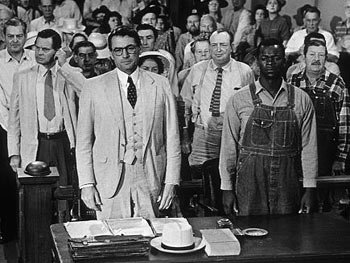
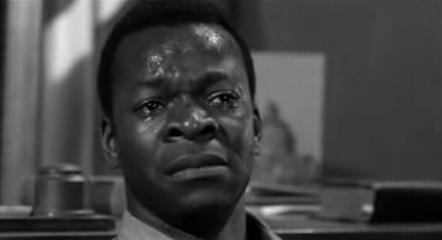
The Robinson family represented the Negroes in America in the 1930s. They were the icon that symbolised and exposed the racism that was so forceful, that it became part of the social protocol of Maycomb County, and evidently, the rest of the Deep South. They could have been an ordinary American family; the family with a working father, mother and children. But due to their race, they were deprived of it. Once Tom was accused, there was no argument to the result of the case. The moment a white man's word was against him; he was a lost cause. Despite the bulletproof evidence Atticus placed before the judges in the court, it would not have helped. The key issue displayed through the Robinson family was that the difference in race was held in such high importance that it even surpassed simple justice.
 |  |
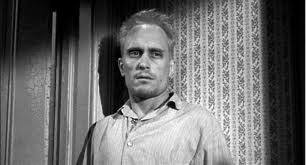
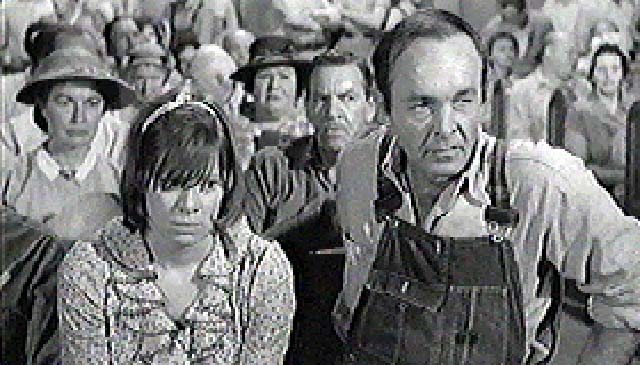
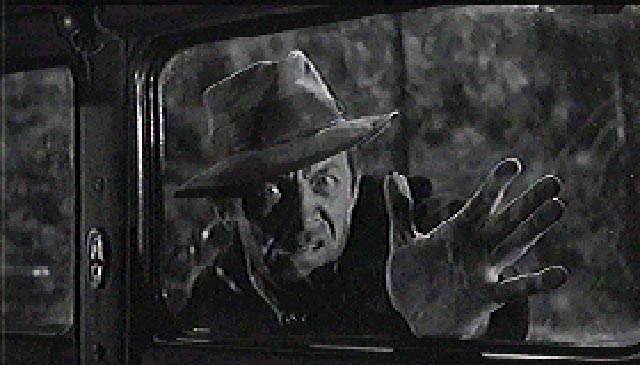
The Ewell family had a large yet simple role in ‘To Kill a Mockingbird’. They represented the ‘evil’ in Maycomb County. They were named as a disgrace. They had no regard for education, or what was ethically right. Mr Ewell spent all his money on alcohol, even when his family was on the verge of starving. He abused and neglected his children, especially Mayella. She was lonely; so lonely to the point where she sought company from a Negro man. And when she realised what she had done: that she had attempted to seduce a black American. She backtracked and left him defenceless in the ruthless and prejudiced court. Their actions throughout their life took a toll on both their own lives, and the lives of the innocent.
 |  |
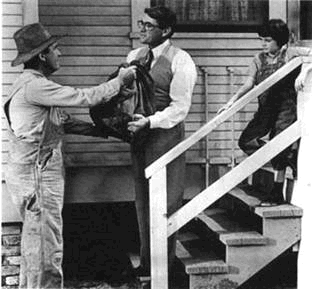
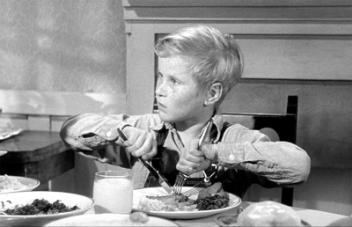
The Cunningham family did not contribute much to the plot but instead contrasted with the Ewells. Both the Ewells and Cunninghams were extremely poor and barely had enough money to survive. But the Cunninghams had a strong sense of pride. ‘Before the year’s out… Atticus said Mr Cunningham had more than paid him.’ With the produce that they earn, they use it to repay anyone to whom they were indebted to. They never took advantage of anyone else despite their extreme poverty and made sure to use the little they had well. The Cunninghams showed difference between them and the Ewells, who were both poor, but had different attitudes to their situation and as a result, affected others in a different way and created a very different family relationship.
 |  |

