Pride Willy Loman was a victim of his own pride: the pride and confidence of the success of his dream; the American dream; the dream of a typical salesman. He failed to realise his failure and the reality of his situation. Throughout the play, it was as if he was wearing goggles that made him see the world in delusion and denial. He was convinced that he would make it; that he would achieve the American Dream. This pride not only affected Willy’s life, but alsohis family, especially Biff, who was trapped in his father’s hopes and dreams for him, despite the true personality and abilities of himself. Willy’s impossible expectations for himself and Biff, caused by his pride, overruled logic and reality. | 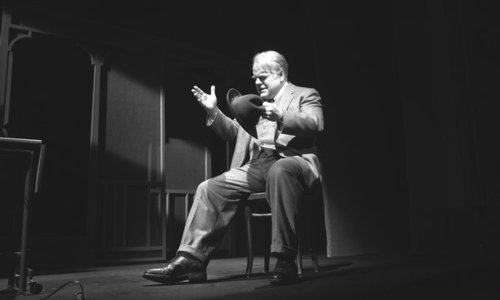 To learn more about pride in Death of a Salesman, click here. |
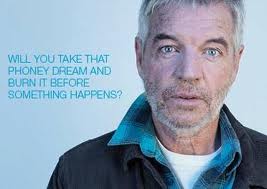  | Willy was proud; too proud in some ways. He was not a successful salesman. But despite his obvious failure, he was living in his own fantasy that he will succeed. Willy could not face the truth. He was simply blinded by what is now known as the ‘American Dream’, the dream that ‘guarantees’ anyone who try hard will make it and succeed. But 'Death of a Salesman' shows, that that is almost the exact opposite of reality; of the deception of the dream, which made countless victims believe the mirage that was placed in front of them. "They don't need me in New York. I'm the New England man. I'm vital in New England." Despite all aspects of reality, he still believed he was succeeding, he was too proud to admit his failure. He saw himself as someone else and his self-importance was greatly exaggerated. In his eyes, he was successful and rich who was also ‘well-liked’. But due to Willy’s personality and his intense pride, he could not accept the situation of his life and even caused him to be ‘mad’ and have hallucinations of his past. His confidence went to the point where he would rather be unemployed than swallow his pride and accept a job from Charley. His tenacity eventually took a toll on his life. At 60 years old and during the Great Depression, it was no longer the time for Willy to pursue his failed hopes and dreams, but the time to relinquish his unachievable dreams. |
Biff, who was once a loving son who idolised his father, changed and struggled under his father’s domination. Biff was the son whom Willy pinned all his hopes and dreams on; the son that he had in mind when he suicided. He falsely judged Biff’s personality, abilities and accomplishments. Like his judgment of himself, he misjudged his son’s capabilities and attempted to make Biff into someone he was not. Biff was trapped in his father’s ideas of success for him, and his expectations were so high and resolute, it resulted in lies being told, which fuelled Willy’s hallucinations. For Biff, it was much easier for him just to lie to his father about his accomplishments and success instead of telling the truth: the truth that Willy had been avoiding for his whole life. His pride clouded his vision of his son, and resulted in an oppressed relationship between them, despite the admiration Biff once felt for Willy. Nevertheless, Willy’s pride prevented him from admitting to himself more than anyone that Biff’s failure in business is a reality. |   |
Pride was a seed in Willy’s character that sprouted and grew. It eventually grew to the size where it affected his life, his view on reality and his family. He spent his entire life, being proud, not of his existing achievements, but of the non-existent dreams that had provided him with no fruits for his efforts. And his sons, especially Biff, was swept along with Willy’s unrealistic expectations and hopes, and furthermore, due to his pride, could not admit the truth on the actual material failure of his family.

